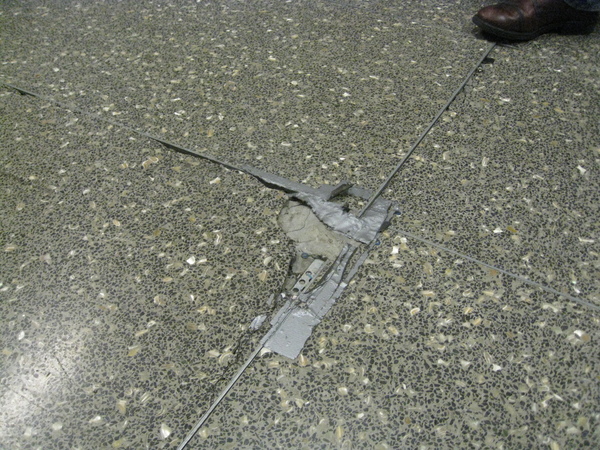
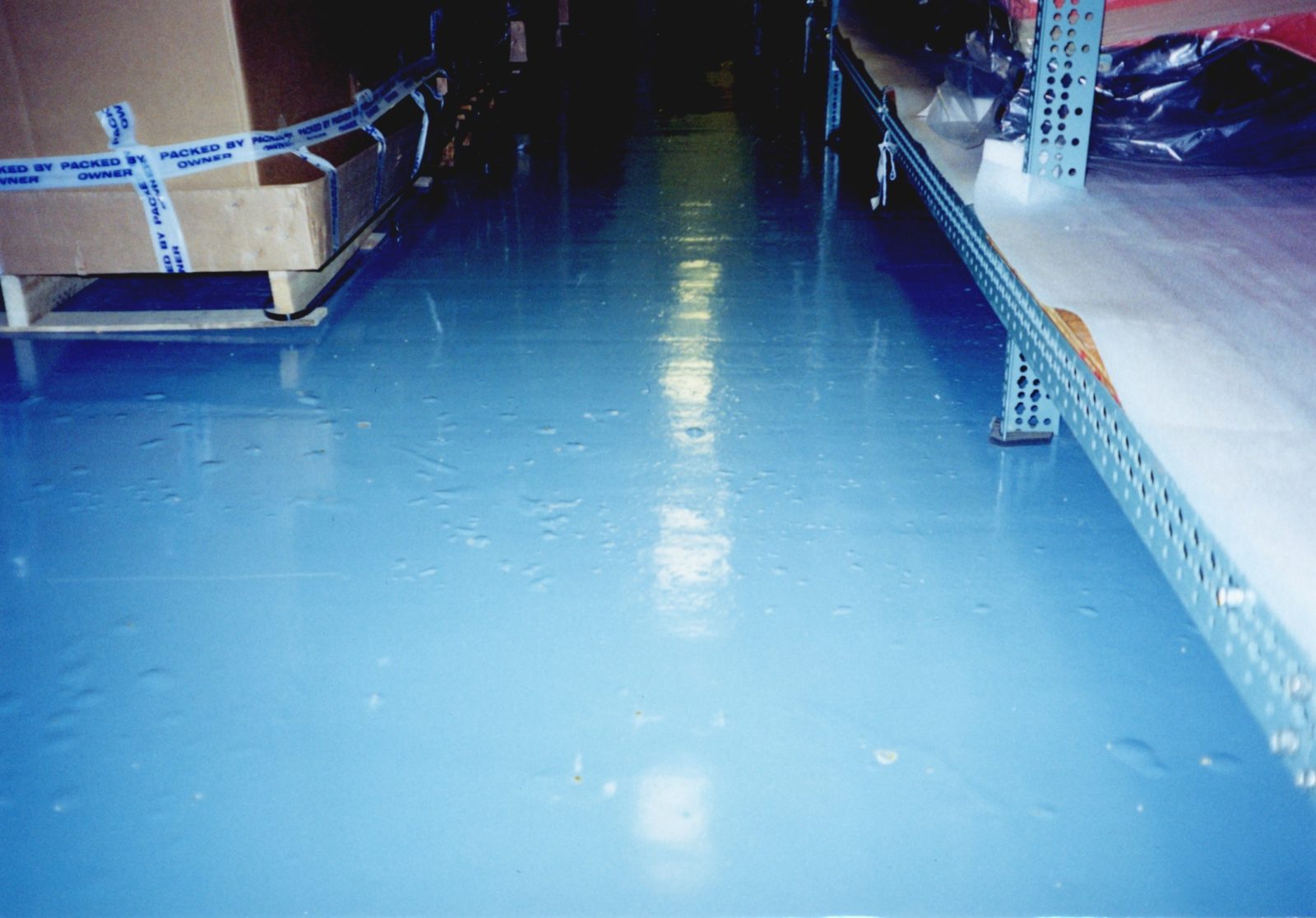
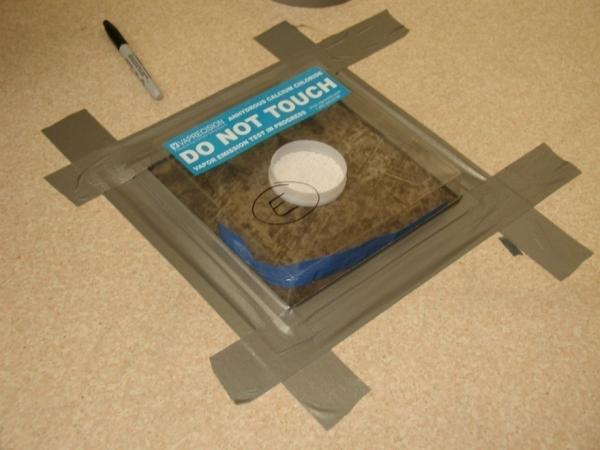
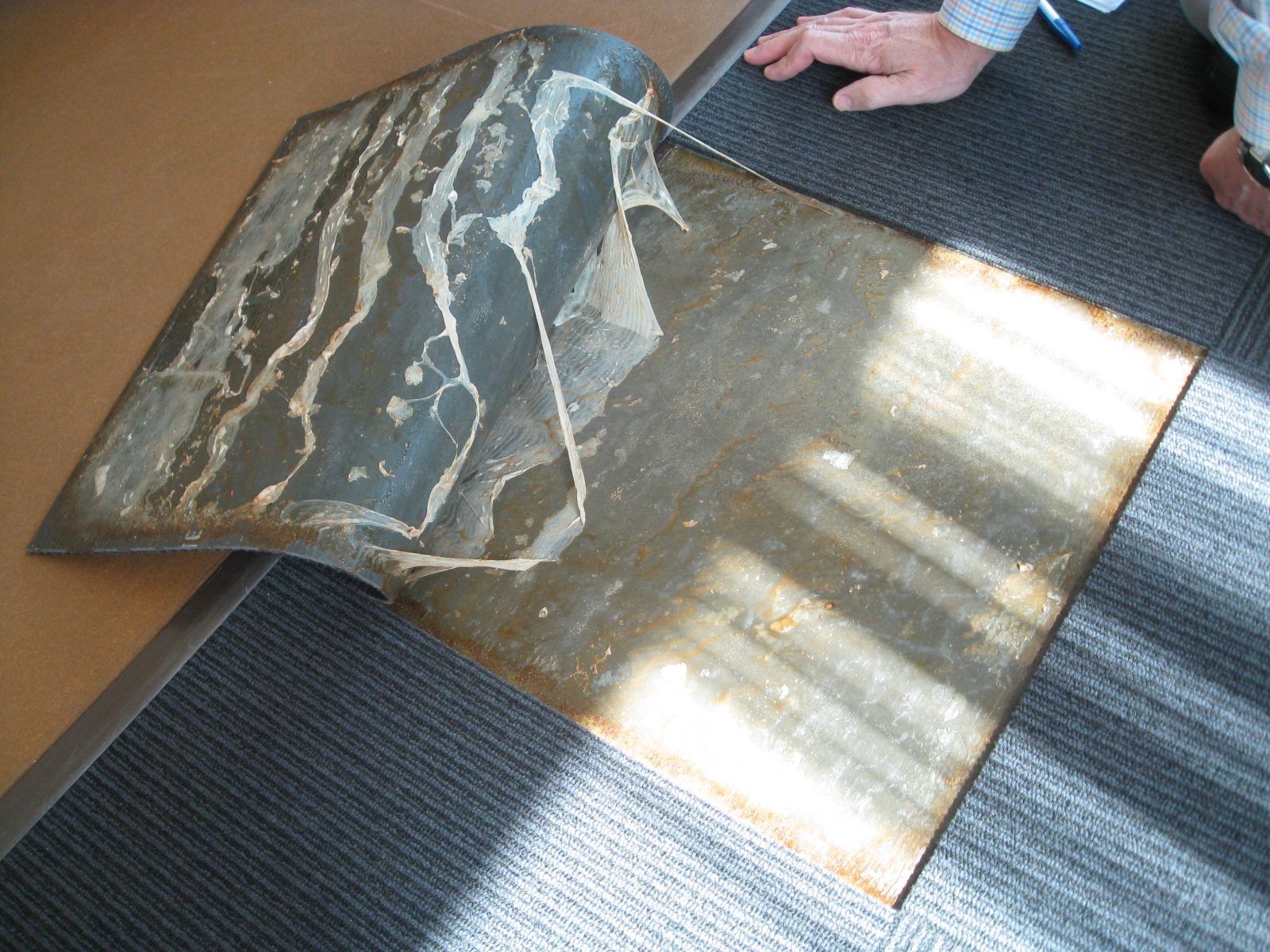
Moisture-related floor finish failures on concrete slabs have become more prevalent due to changes in concrete mix design, fast-track construction, and regulation of volatile chemicals. Moisture-induced deterioration of floor finishes can result in delamination, discoloration, blisters, re-emulsification of adhesives, mold growth, and odor generation. These failures can be costly, delay occupation, or require operational disruption for repairs.
However, several approaches can improve the performance of concrete floor finishes, such as the following:
- Limit the initial water content. Water is an integral component of concrete for cement hydration and workability, but excess water can lead to flooring failures. Concrete mix designs with a lower water/cementitious material (w/cm) ratio contain less water and take less time to dry.
- Reduce fly ash content. Concrete with fly ash and other supplemental cementitious materials (SCM) can be strong and durable and may also qualify for LEED credits for recycled content. However, these concretes are typically denser than concrete made only with portland cement and this reduction in density also reduces the porosity of the concrete, which can significantly increase drying time.
- Avoid curing compounds. Film-forming, liquid curing compounds retain water in the concrete until proper hydration occurs, but curing compounds limit concrete drying until their removal. Temporary covers provide proper hydration without adversely affecting drying time.
- Use a vapor retarder. Concrete slabs-on-grade are permeable and allow moisture from underlying soils to permeate and contact moisture-sensitive finishes. Installing an effective vapor retarder below the slab protects floor finishes from moisture that originates in the soil.
- Eliminate blotter layers. The intent of a blotter layer (i.e., a sand layer between the vapor retarder and concrete slab) is to reduce the tendency of the slab to curl as it dries. However, moisture trapped in the blotter layer during construction adds to the total moisture load stored in the floor, which will later diffuse through the concrete and contact moisture‑sensitive finishes.